
Cypress Capital Group had a good problem to solve.
The business was expanding beyond real estate investment into design-build services and residential leasing, but the brand and website had not caught up. The company needed to look and communicate like the business it was becoming, particularly for an audience accustomed to a higher level of professionalism, polish, and discretion.
That made this much more than a website project.
The job was to reposition the company, clarify what it did, make the new design-build offering credible, improve local visibility, and build a marketing program capable of reaching affluent homeowners, investors, brokers, and referral partners.
The Brand Had to Match the Audience
When someone is considering a significant investment, home project, or financial relationship, presentation matters.
Not because everything needs to look expensive.
Because the brand needs to feel considered.
Cypress had strong experience behind it, but the existing logo and website were creating a perception gap. The visual identity did not reflect the sophistication of the people running the company or the clients they wanted to attract.
I refined the logo rather than replacing it for the sake of change, then rebuilt the website around a cleaner, more confident presentation.
The site needed to explain three connected areas of the business: investment, development, and long-term property ownership. That led to a simple positioning line:
Invest. Build. Sustain.
The redesigned site gave Cypress a better way to present its investment experience, residential portfolio, and new design-build services without making the company feel like three unrelated businesses sharing a website.
That clarity was important.
Affluent customers generally do not need more information thrown at them. They need the right information, presented well.
Launching a New Business Inside an Existing Brand
The design-build service created another challenge.
Cypress was not starting from zero. The team already had substantial experience in real estate development, but the public-facing brand had not previously been built around selling design and construction services directly.
So the marketing needed to do two jobs at once: introduce something new while borrowing credibility from what the company had already accomplished.
The website became the center of that effort.
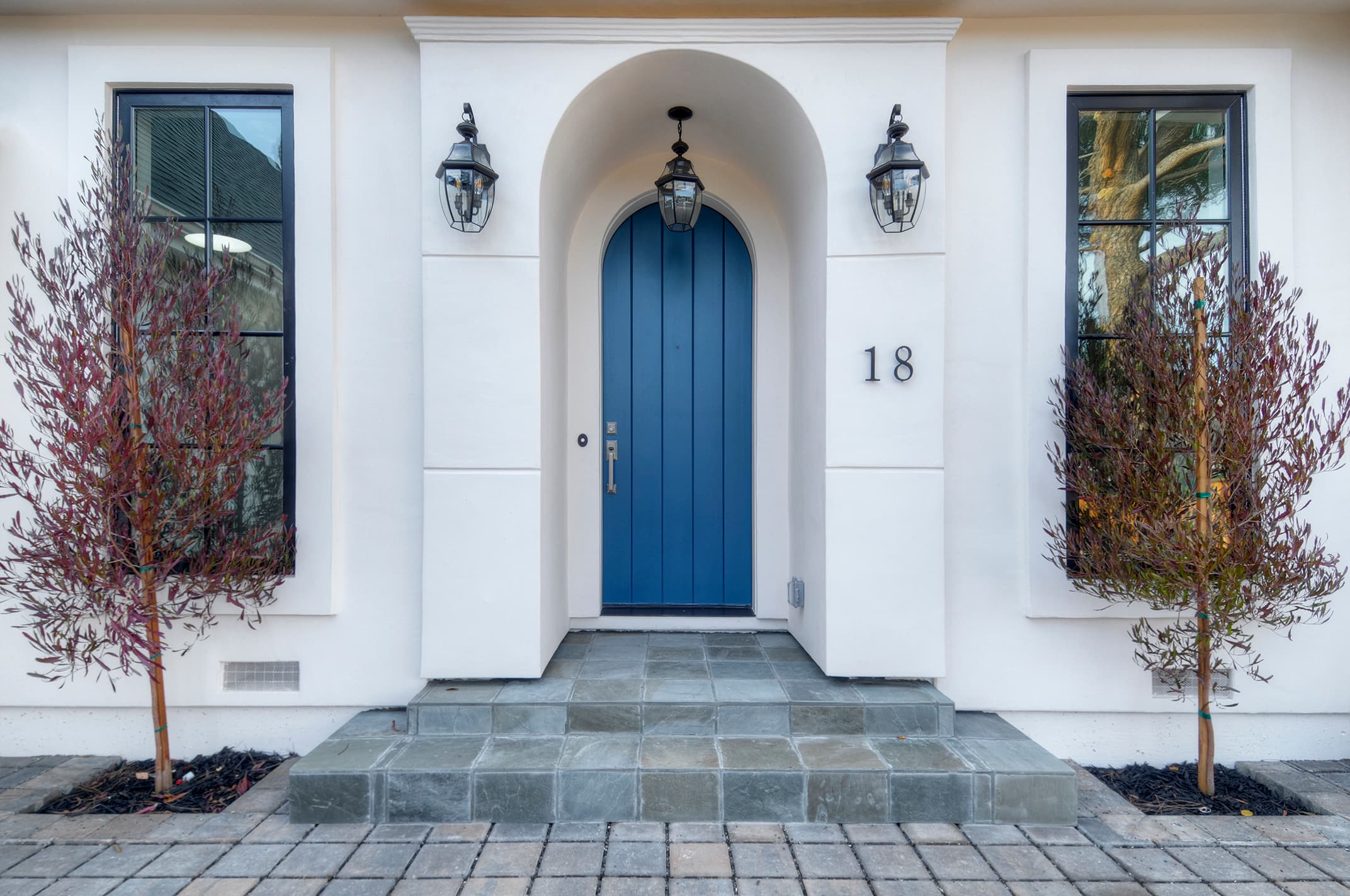
Past properties and projects gave potential clients a way to see the work. The content explained the firm's broader experience. The visual language leaned into the quality of the homes rather than trying to manufacture a "luxury" personality.
That distinction matters to me.
Good affluent marketing rarely needs to announce how luxurious it is. If the work, photography, language, and experience are right, people can figure it out.
Solving a Local Search Problem Without a Traditional Office
Cypress also had an unusual local search challenge.
The company did not want to publish a home address as a public business location, yet local visibility was important for the new design-build service. At the same time, Google had to understand that Cypress operated in both real estate investment and design-build.
We approached that structurally.
The business was configured as a service-area company. Local schema was added to the website. Business citations were developed. Content, images, page titles, and supporting information were reorganized so the design-build side of the company had a much clearer identity.
The results came quickly.
Cypress reached the top of Google results in Palo Alto for several important design-build searches and then gained similar visibility in Redwood City. Organic traffic continued growing over the following months.
The useful lesson was not simply that local SEO worked.
It was that the search strategy had to reflect the actual business structure rather than forcing Cypress into a template that did not fit.
Sometimes the Best Media Buy Is a Partnership
Paid advertising was part of the initial discussion, and we tested search and Instagram.
But competitive research uncovered a better opportunity.
Houzz already had an audience actively researching home remodeling, design, architecture, and construction. Rather than continue trying to build that audience one click at a time, we developed a presence there.
The partnership put Cypress in front of people already looking for exactly the kind of work the new design-build business offered and ultimately reduced the company's paid media budget by 50%.
I like this part of the project because it is a good reminder that marketing does not always mean buying more advertising.
Sometimes the better answer is finding out where the right customers have already gathered.
Building the Referral Side of the Business
For a company working with higher-value real estate and design projects, digital marketing was only part of the picture.
Relationships mattered just as much.
The ongoing strategy included local chambers, broker outreach, events, international connections through The American Club, and a more organized broker marketing program. HubSpot was also introduced as part of the effort to manage relationships and keep business development activity moving.
That mix was intentional.
A homeowner might discover Cypress through Google.
An investor might come through an existing relationship.
A broker might refer a client.
Someone relocating to Silicon Valley might find the company through search, Houzz, or another property connection.
The marketing needed to support all of those paths without feeling fragmented.
The Result Was a Better Fit Between the Business and the Brand
Cypress ended up with more than a new website.
The company had a clearer identity, stronger local visibility, a credible platform for launching design-build services, lower paid media costs, and a broader network of referral and business-development opportunities.
Their founder put the objective rather plainly: they needed someone who understood how to market to a more affluent audience. The finished website, first-page Google visibility, and positioning of the new design-build business delivered what they were looking for.
What I find most useful about this case study is that the marketing was not built around a single channel.
Branding mattered.
Design mattered.
Search mattered.
Partnerships mattered.
The CRM mattered.
So did the relationships happening away from a screen.
The job was getting all of those pieces to tell the same story.
For companies selling high-value services, that consistency is often what separates marketing that merely looks polished from marketing that actually builds confidence.
